Solar Panel Loans UK 2026: Rates, Options and What to Avoid
Unsecured, secured, 0% installer credit or a green mortgage top-up — the honest 2026 numbers on borrowing for solar, the worked payback maths, and the traps that can turn "interest-free" into the most expensive option on the table.
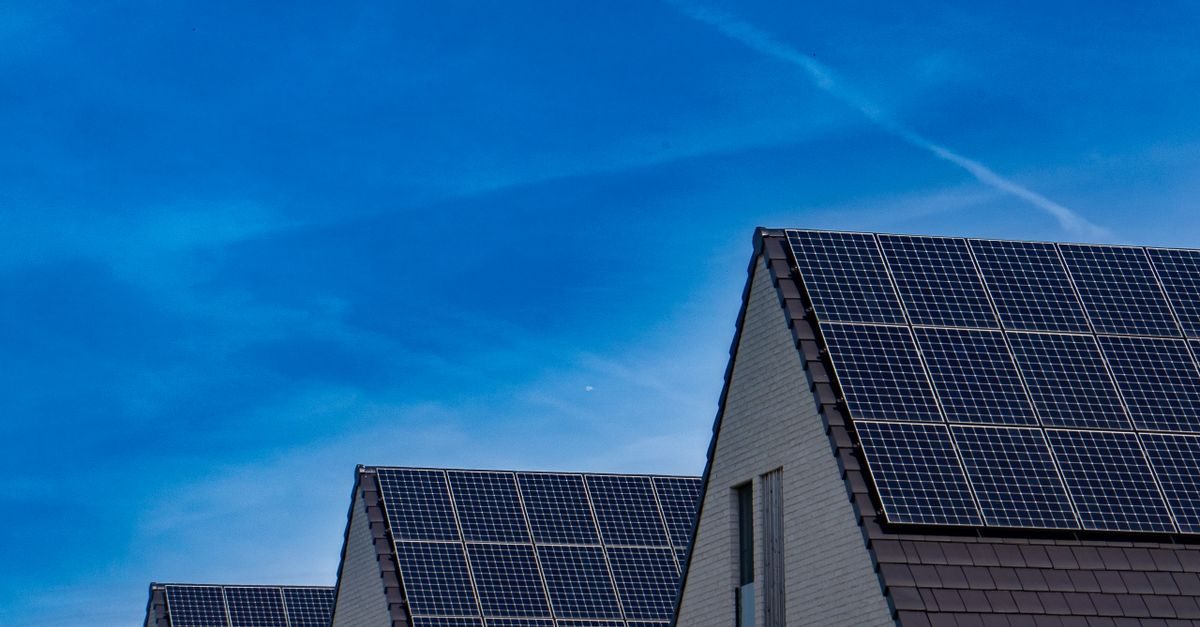
Solar panel loans in 2026: the market at a glance
Most UK households now pay for solar in monthly instalments rather than cash, and 2026 is a reasonable year to be a borrower. The Bank of England base rate is holding at 3.75%, and best-buy unsecured personal loans between £7,500 and £15,000 — the bracket most solar and battery systems fall into — start at around 5.6% representative APR, with the market average nearer 7%. Add the 0% VAT rate on domestic solar and battery installations, which runs until 31 March 2027, and the total cost of a financed system is lower than it has been for most of the decade.
The savings side of the ledger is healthy too. A typical 4kWp system generates around 3,900kWh a year; with grid electricity at roughly 27p/kWh and good Smart Export Guarantee tariffs paying around 10.8p/kWh for what you export, that is worth £950–£1,100 a year to a typical household — a cash payback of seven to nine years. The question this guide answers is which solar panel loans protect that payback, and which quietly stretch it.
This is the deep dive on borrowing specifically. For the full menu — loans, leases and power purchase agreements side by side — start with our solar finance options guide, and see solar panel costs in Wiltshire for what a properly specified system costs before you borrow a penny.
The four types of solar panel loan compared
"Solar loan" covers four quite different products. The right one depends on how much you are borrowing, how fast you want it cleared, and whether you are willing to secure debt against your home.
1. Unsecured personal loans. Borrow £1,000–£25,000 from a bank or building society with nothing secured against your house. In July 2026 best-buy representative APRs sit around 5.6–5.9% for £7,500–£15,000, with the market average nearer 7%. Quick to arrange, flexible on term, and you own the system outright from day one.
2. 0% installer credit. Many installers offer interest-free solar loans over one to three years through an FCA-regulated finance partner, with longer interest-bearing terms available beyond that. Genuine 0% deals exist, and because they are regulated credit agreements, Section 75 of the Consumer Credit Act makes the lender jointly liable with the installer for the installation — real protection if anything goes wrong. Our 0% solar finance page explains how Lumos structures this, and our guide to 0% solar finance in the UK for 2026 covers the small print.
3. Green mortgage additional borrowing. Several lenders now offer cheap mortgage top-ups for energy improvements. Nationwide lends existing mortgage customers £5,000–£20,000 at 0% for two or five years (combined loan-to-value capped at 90%, reverting to its standard rate afterwards); the Co-operative Bank prices green additional borrowing at roughly 4.1–4.7% fixed; Skipton goes up to £50,000. Cheap money, but slower to arrange and tied to your mortgage.
4. Secured home-improvement loans. Second-charge loans secured on your home, typically from around 7% and rising well into double digits for weaker credit, over five to twenty years. They mainly suit borrowers who cannot get a good unsecured rate — and your home is at risk if you default. Treat them as the last resort for solar.
| Loan type | Typical rate (July 2026) | Typical term | £10,000 example | Total interest | Main catch |
|---|---|---|---|---|---|
| Unsecured personal loan | 5.6–7% rep APR (£7.5k–£15k) | 1–7 years | ~£197/month over 5 years at 6.9% | ~£1,850 | Representative APR not guaranteed — 49% of accepted applicants can be offered more |
| 0% installer credit | 0% APR | 1–3 years | £417/month over 24 months | £0 | Check the cash price — interest can hide in an inflated quote |
| Green mortgage additional borrowing | 0% (Nationwide, 2 or 5 yrs) to ~4.1–4.7% | 2–15 years | £167/month over 5 years at 0% | £0–£2,430 | Existing-customer and LTV restrictions; reverts to standard rate after the fix |
| Secured home-improvement loan | ~7–13%+ | 5–20 years | ~£119/month over 10 years at 7.5% | ~£4,240 | Home at risk; long terms can nearly double the cost |
Illustrative figures; the rate you are offered depends on your credit profile.
Loan term vs panel payback: the maths that matters
The trap with financing solar panels is rarely the headline APR — it is the term. Interest compounds quietly over long terms, and a cheap-looking monthly payment can add years to your effective payback.
Take a £10,000 solar and battery system saving £1,000 a year (a battery lifts self-consumption of that 27p/kWh electricity — our guide to whether battery storage is worth it runs those numbers). In cash, that is roughly a 10-year payback; solar-only is nearer 7–9. Now layer the borrowing cost on top:
- 0% over 24 months: £417/month, £0 interest. Payback unchanged — but the payment is about five times the monthly saving while it runs, so it suits households with spare monthly headroom.
- Unsecured at 6.9% over 5 years: ~£197/month, ~£1,850 interest. Adds just under two years to effective payback — a fair trade for spreading the cost.
- Green mortgage top-up at 4.5% over 10 years: ~£104/month, ~£2,430 interest. The payment roughly matches the saving, so the system is close to cash-neutral from month one — but you pay more interest overall.
- Secured at 7.5% over 15 years: ~£93/month, ~£6,690 interest. Adds six to seven years to payback and consumes most of the first half of the system's working life.
The rule of thumb: choose the shortest term whose payment you can comfortably afford, and ideally keep the term no longer than the system's 7–9 year payback. Panels then spend two decades producing genuinely free electricity — plus export income — rather than servicing debt.
Eligibility and credit checks: what lenders look for
Whichever route you take when financing solar panels, protect your credit file while you shop:
- Soft-search first. Use lenders' eligibility checkers, which show your likely rate without marking your file. A full application triggers a hard search — do that once, for the loan you actually want.
- Representative APR is not a promise. Lenders only have to give the advertised rate to 51% of accepted applicants; the rest can be offered a higher one. Re-check the real total cost before signing.
- Affordability rules. Lenders assess income against existing commitments. Installer credit typically needs no deposit but does need a reasonable credit history; green mortgage borrowing needs equity and loan-to-value headroom.
- Homeownership. Secured and mortgage-linked routes require it, and for any solar loan the panels need to be going on a property you own — lenders will not fund improvements to a landlord's roof.
Red flags: how "0%" can quietly cost you £1,500
The solar finance market is far cleaner than it was in the 2010s, but four traps persist:
- The inflated "0%". Interest-free credit costs the installer a subsidy fee, and some recover it by padding the system price. If a "0% interest" quote is £1,000–£2,000 above comparable cash quotes for the same hardware, that gap is the interest, relabelled. The defence: get the same specification priced by at least three MCS-certified installers, and ask each one directly whether the cash price is lower. A fair 0% deal has one price, however you pay.
- Overlong secured terms. A 15-year secured loan can add £6,000+ in interest to a £10,000 system — more than half the system cost again — while putting your home on the line. Never let a broker steer you into a long secured term just to make the monthly figure look small.
- "Free solar" and grant cold calls. There is no national grant paying for solar on ordinary UK households in 2026 — the genuine support is 0% VAT plus tightly targeted low-income schemes. Our solar panel grants page lists what actually exists; anyone phoning about "government-backed free panels" is selling something.
- Unregulated agreements and early repayment charges. Check the lender on the FCA register, and check whether you can overpay penalty-free — energy savings often make overpaying the smartest use of the money.
When a loan beats leasing or a PPA
For owner-occupiers, a loan is usually the better instrument. With a loan you own the system: the £950–£1,100 of annual savings is yours, every penny of export income under the Smart Export Guarantee is yours, and once the loan clears — typically within five years — the system produces free electricity for another two decades. A lease or power purchase agreement hands part of that value to a third party for 20–25 years, and a roof lease can complicate a house sale in a way an unsecured loan never does, because the loan follows you rather than the property. Leasing mainly makes sense where there is no borrowing capacity at all. Our solar panel cost in Wiltshire breakdown shows the ownership totals side by side.
Borrowing well: how Lumos Energy structures it
Lumos Energy is an MCS-certified, NICEIC-approved and RECC-member installer based in Broughton Gifford, near Melksham. Every solar panel installation is designed and fitted by our own employed team under lead engineer Matt Butler — no subcontractors, which matters when a regulated finance agreement makes the lender jointly responsible for the workmanship. We quote one price whether you pay cash or finance, and at a free survey — booked within five days — we put the loan-versus-saving maths for your actual roof in writing, backed by 50+ Google reviews across the region.
We fit solar panels across Wiltshire — including Melksham, Chippenham and Devizes — plus North Somerset and South Gloucestershire towns such as Portishead and Thornbury. Sizing a system before you borrow? Our guides to the best solar panels UK and the best home batteries UK 2026 cover the hardware we install, from JA Solar, AIKO and Trina panels to Sigenergy SigenStor and Tesla Powerwall 3 batteries. Battery storage and an EV charger installation (Zappi or Ohme) can be bundled into the same finance agreement — or a battery can be retrofitted to existing solar later.
Frequently Asked Questions
Can I get an interest-free solar loan in the UK in 2026?
Do solar panel loans require a credit check?
Is it worth taking out a loan for solar panels?
How long should a solar loan term be?
What happens to my solar loan if I sell the house?
Solar Panel Loans in 2026: The Rates You'll Actually Pay
Most solar panel loans in the UK are simply unsecured personal loans — there is no special "solar loan" product from the high street. As of August 2026, best-buy representative APRs on borrowing between £7,500 and £15,000 sit at roughly 5.6% to 5.9%, with the market average nearer 6.3% and many accepted applicants landing in the 6–8% band depending on credit history. Remember what "representative" means under FCA advertising rules: at least 51% of accepted applicants get that rate or better — the rest pay more, and you only see your personal rate after applying or using a soft-search eligibility checker.
A worked £9,000 example
Borrow £9,000 over five years at a representative 6.9% APR and you'd repay around £178 a month — roughly £1,670 in interest over the term. Put the same £9,000 install through our 0% APR offer (12 or 24 months on installations between £5,000 and £14,000, arranged through an FCA-regulated credit partner) and 24 monthly payments of £375 clear it with nothing added. The trade-off is a higher monthly commitment for a shorter period — but with typical solar payback at 7–9 years, avoiding £1,500+ of interest materially shortens the true break-even. We compare every route in our solar finance options UK guide.
Secured and "green" borrowing
Secured home-improvement loans and mortgage further advances can undercut personal loan rates, and several major mortgage lenders now offer discounted "green" additional borrowing specifically for energy-efficiency work — worth asking your existing lender. The caveats: the debt is secured against your home, and stretching £9,000 over 15–20 years can cost more in total interest than a dearer unsecured loan repaid in five. Always compare the total amount repayable, not the headline rate. Credit is subject to status; this is information, not financial advice.
Eligibility checklist before you apply
- Run a soft-search eligibility check first — it won't mark your credit file
- Electoral-roll registration and stable UK address history
- Affordability headroom — lenders stress-test income against outgoings
- A fixed, itemised quote from an MCS-certified installer (0% VAT until 31 March 2027 should already be reflected)
For realistic system prices to borrow against, see our solar panel costs in Wiltshire breakdown, or explore how Lumos structures solar finance — free survey within five days, and lead engineer Matt Butler sizes every system before any credit application.
Get your free solar survey
Tell us where you are and lead engineer Matt Butler’s team will size a system for your actual roof — a fixed, itemised quote with 0% VAT until 31 March 2027. No pressure, no call centre.
- MCS certified · NICEIC approved · RECC member
- Employed team, not subcontractors
- 50+ verified Google reviews
Thinking about solar in Wiltshire?
Get a free, no-obligation site survey and a bespoke quote from your local MCS certified installer. Broughton Gifford, Melksham.